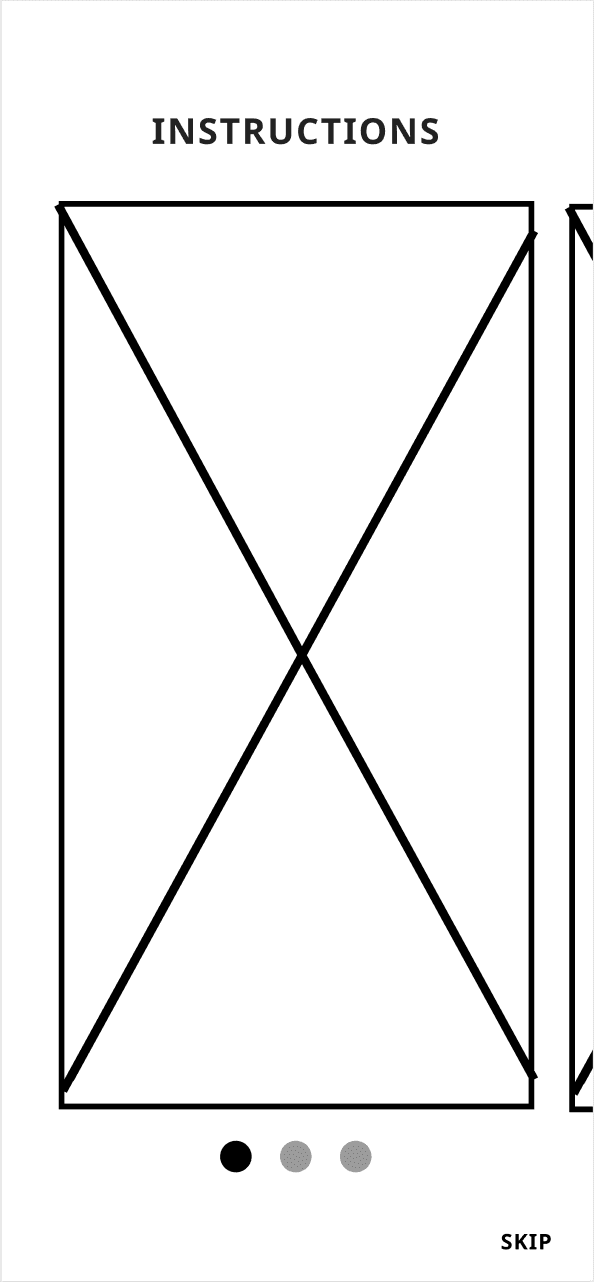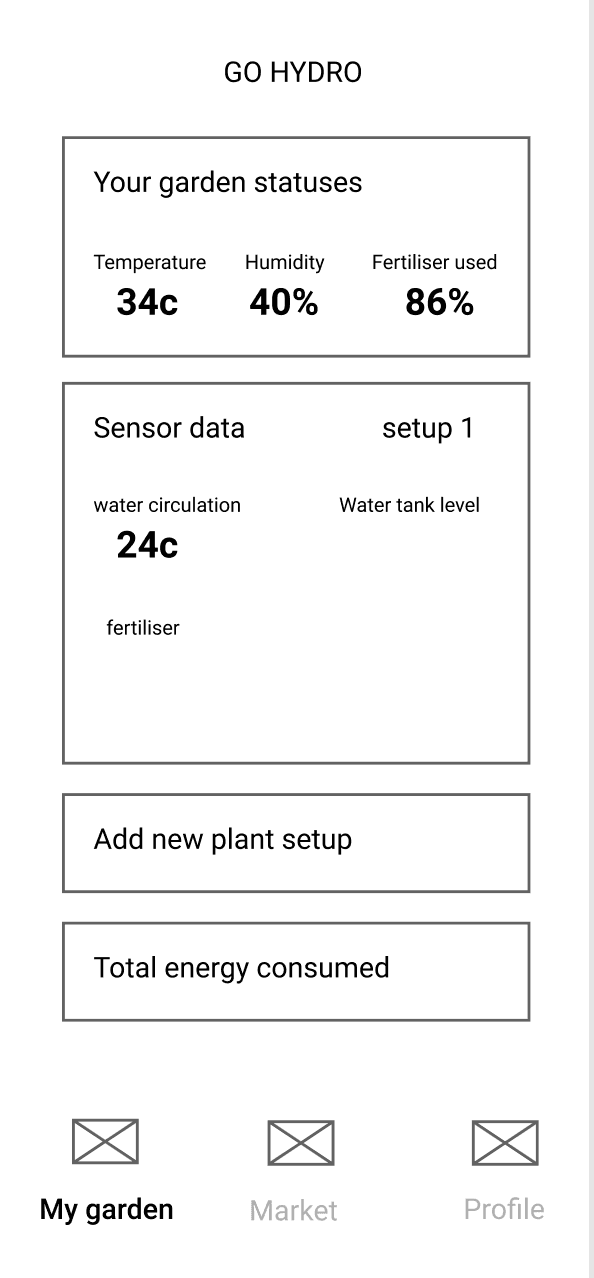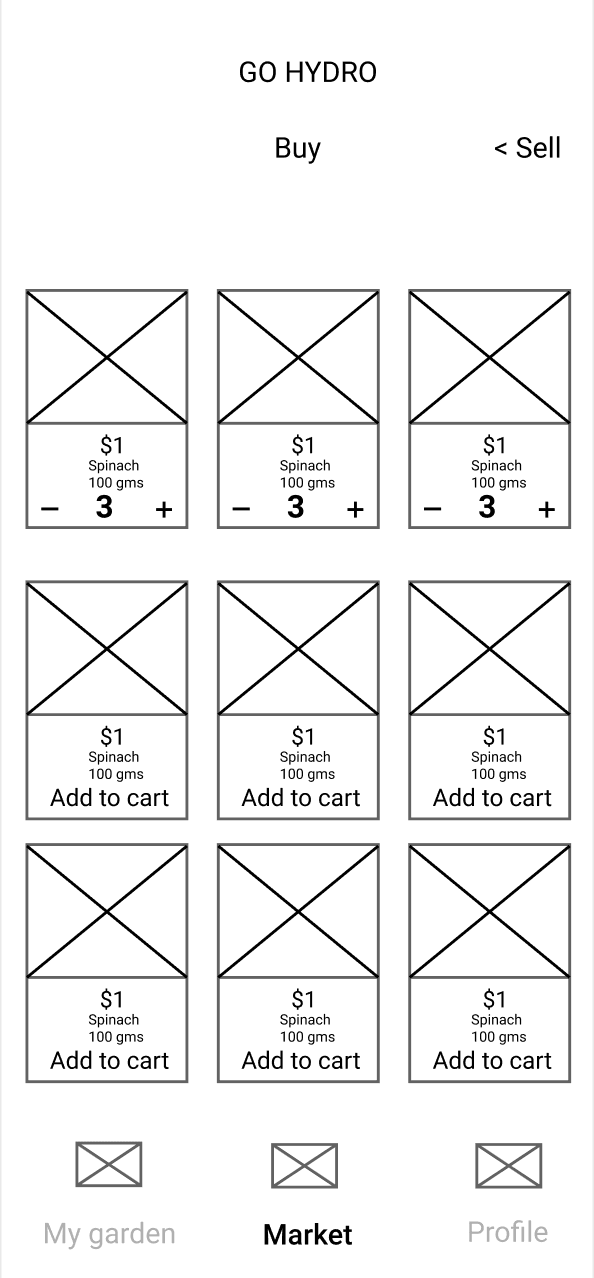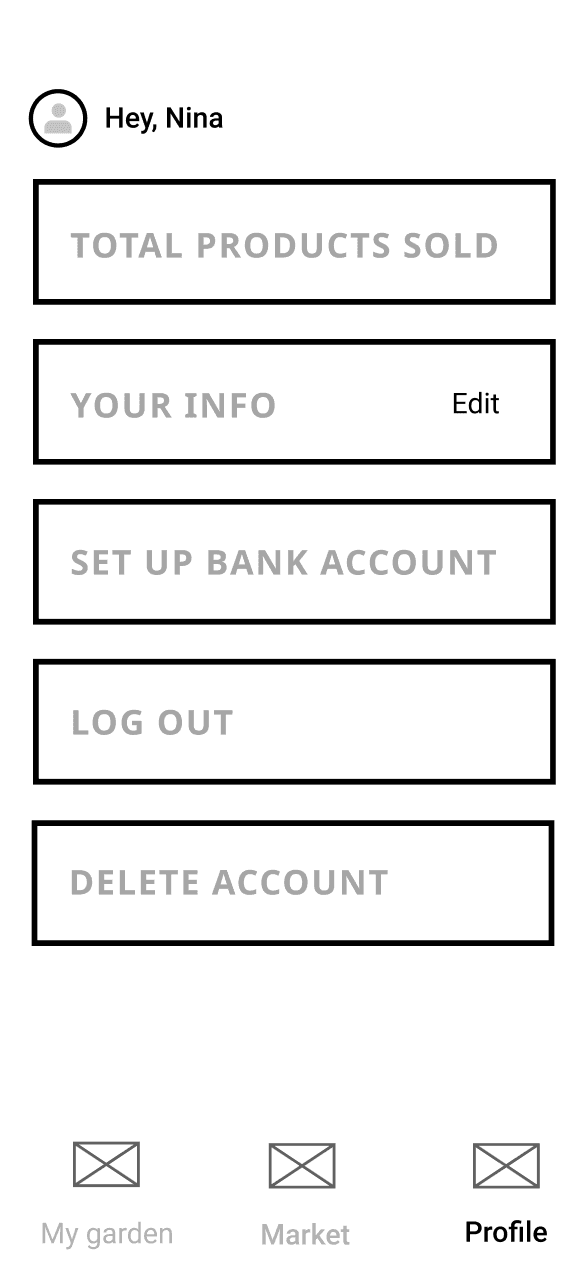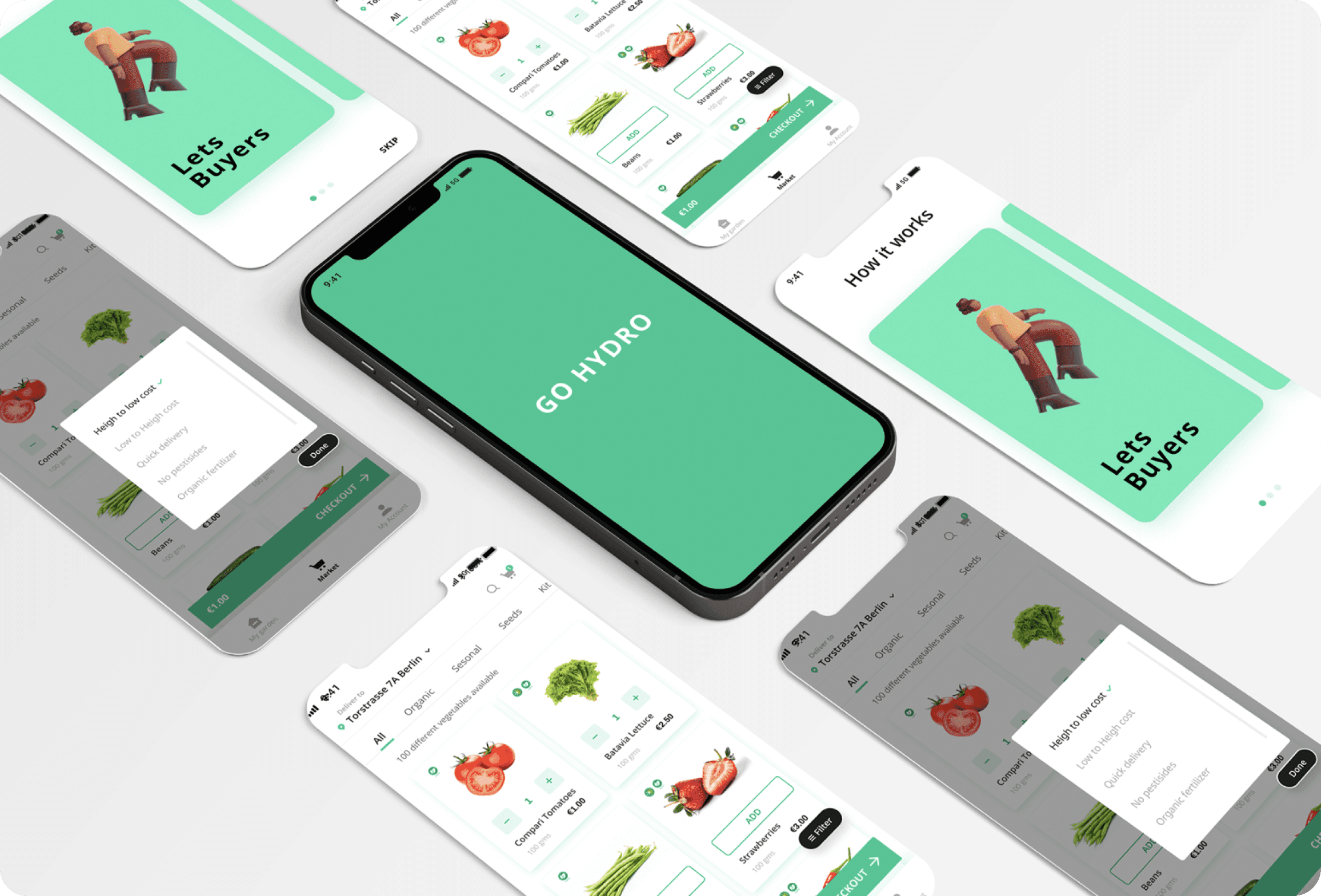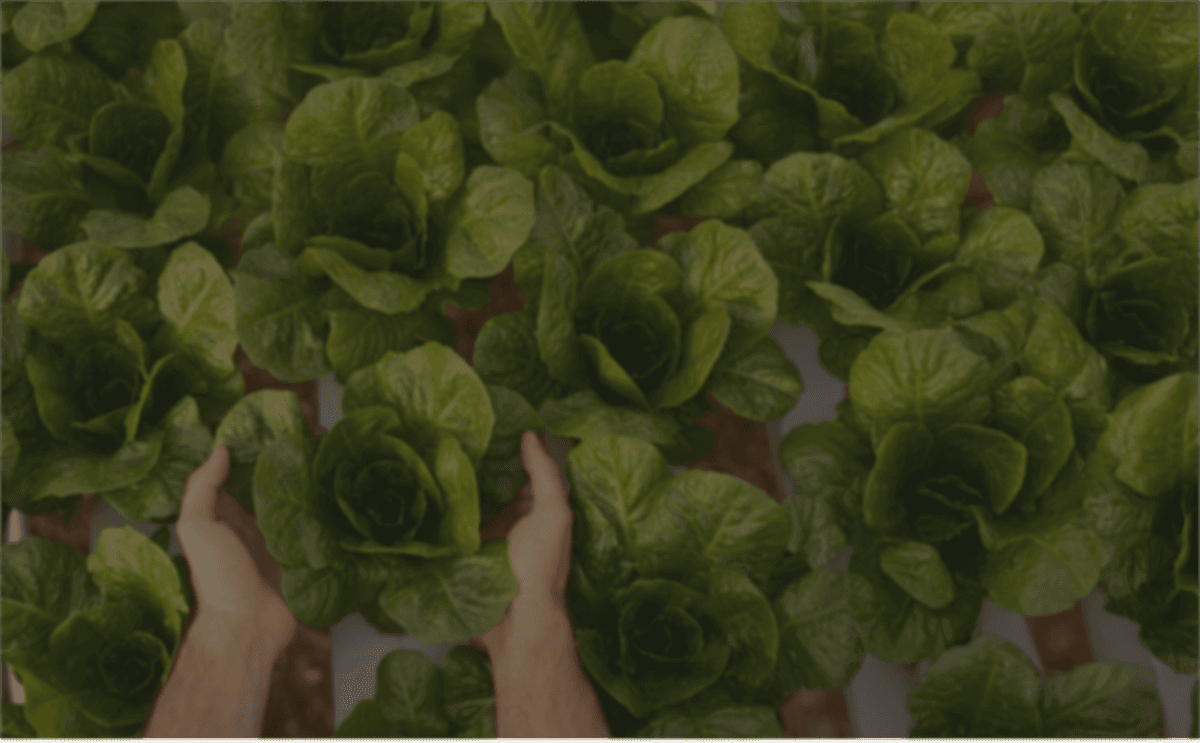
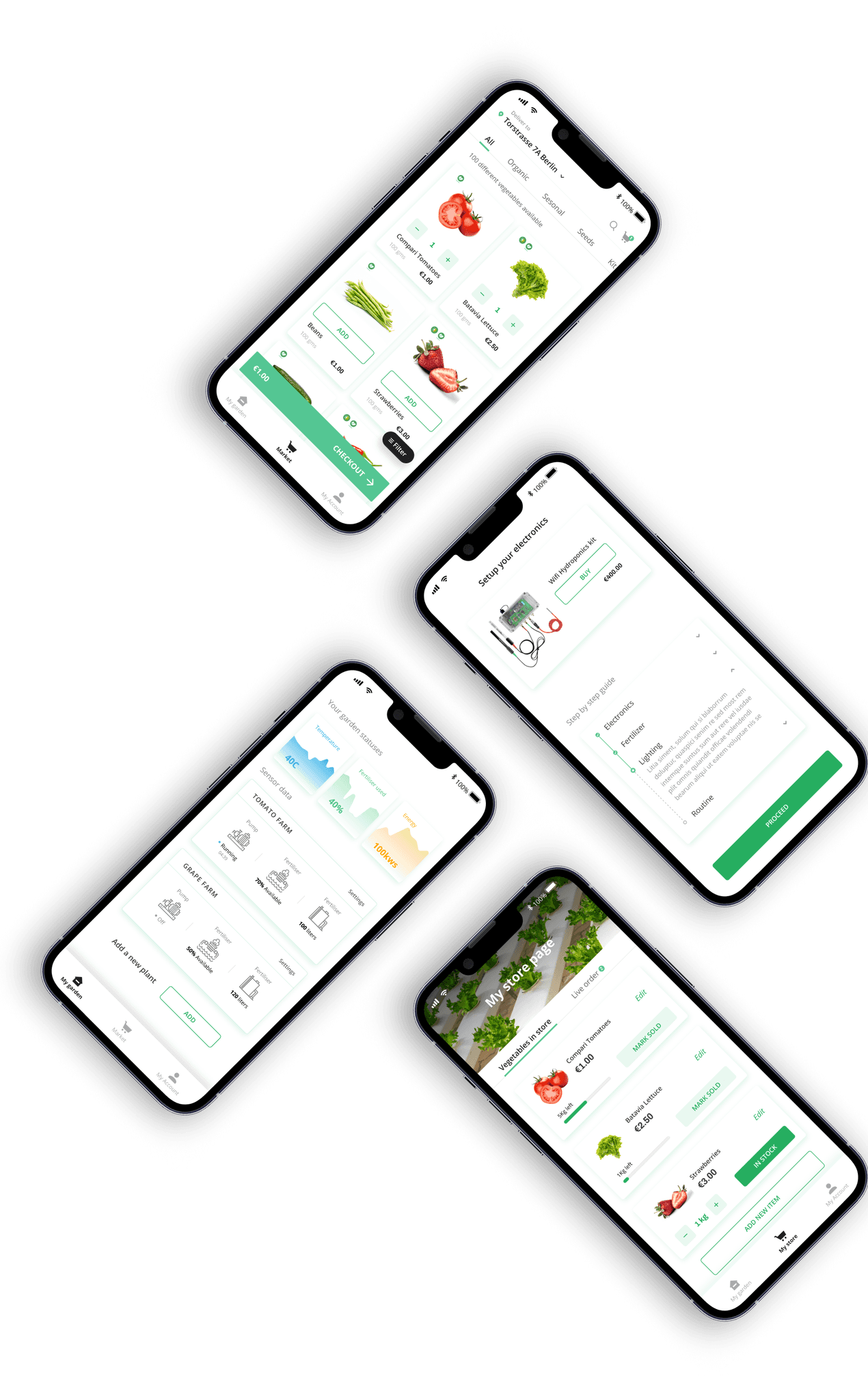
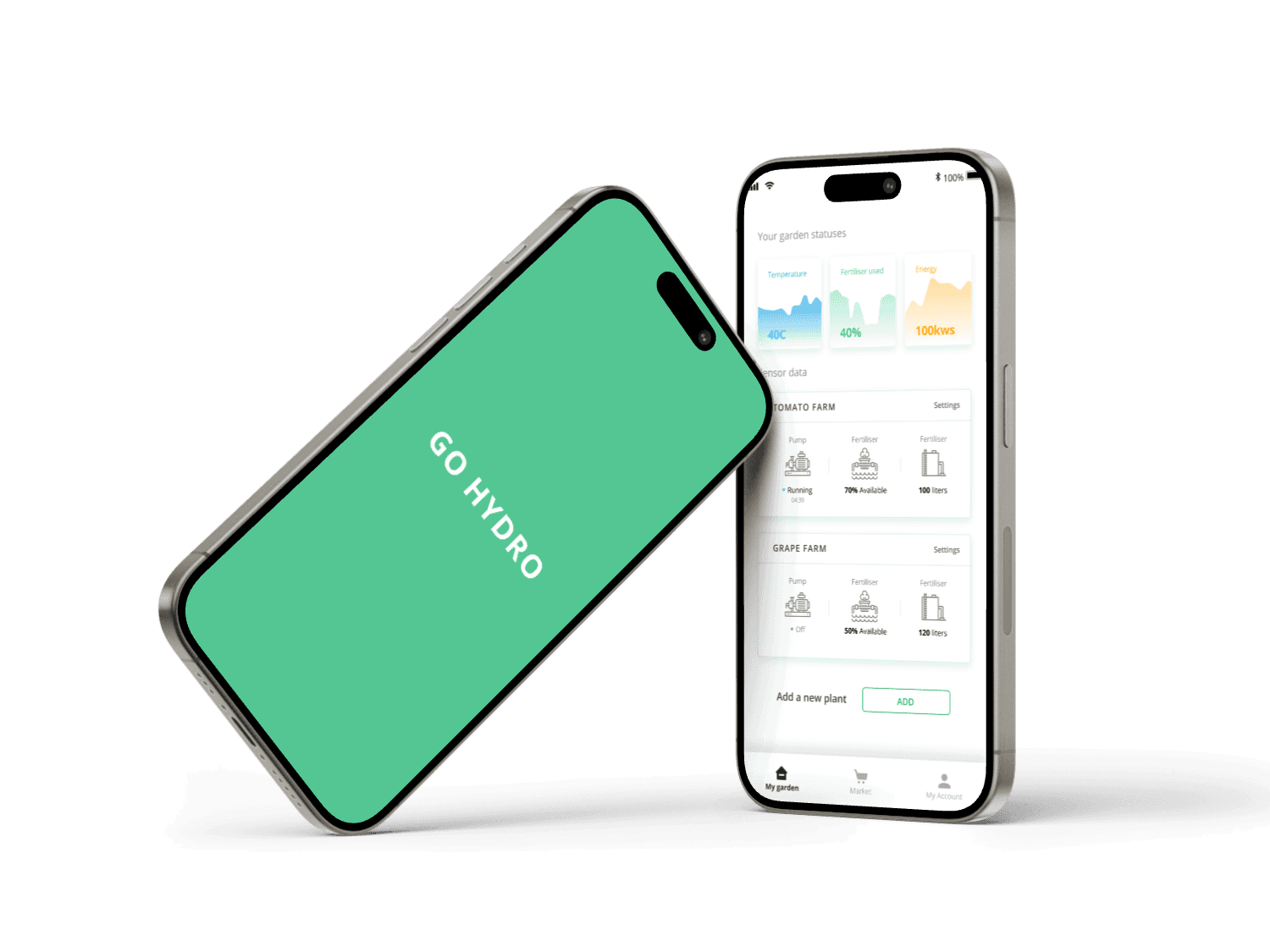
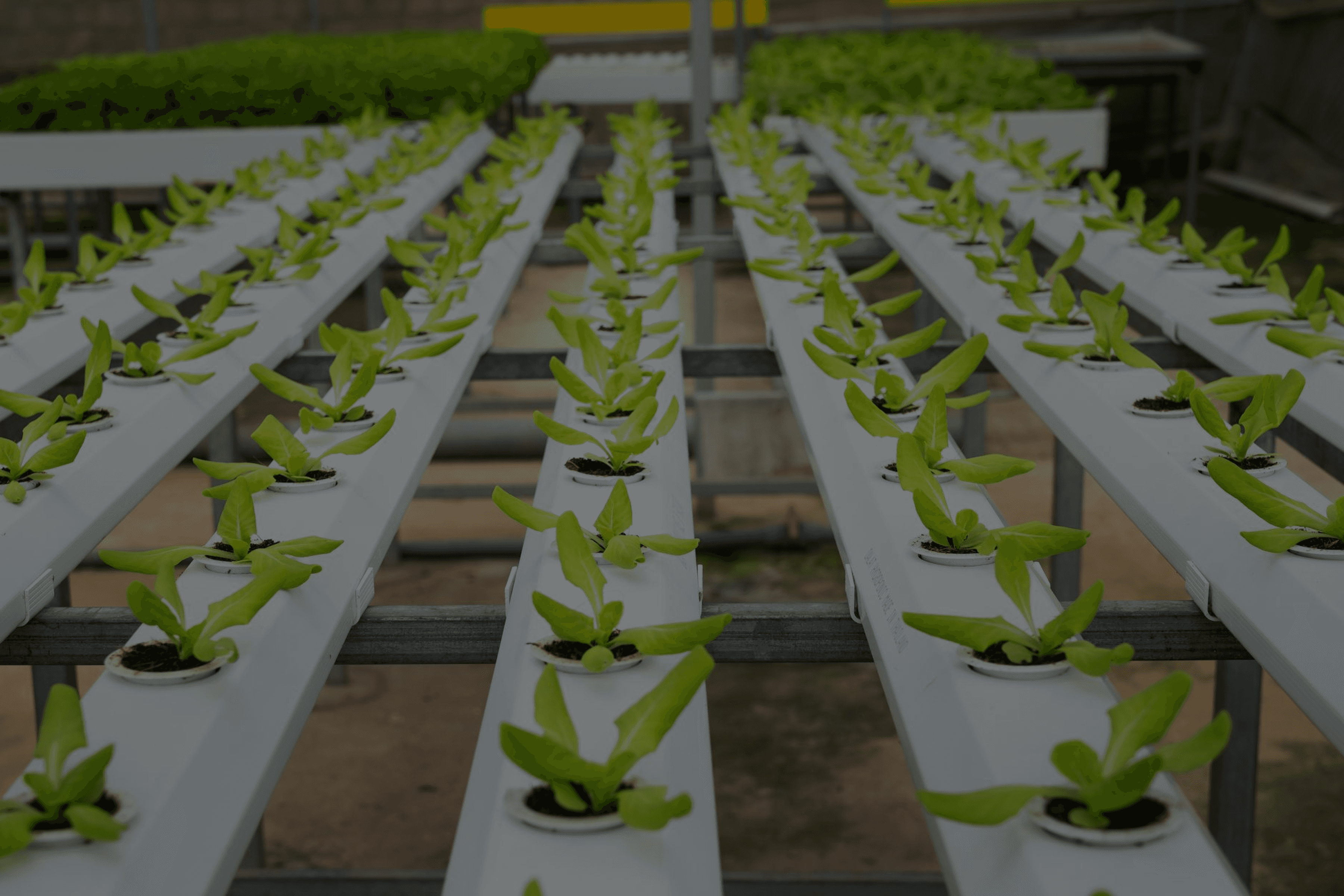
Go Hydro is a hydroponic assistant designed to empower individuals and communities to grow their own food sustainably while promoting local trade. The platform allows users to easily set up and monitor hydroponic systems, simplifying the process of growing produce at home or in small-scale farms. Beyond cultivation, Go Hydro connects growers with local markets, enabling them to trade their produce and foster a more sustainable food economy.
Discover
Market research
Competitive research
User research
Define
Story line
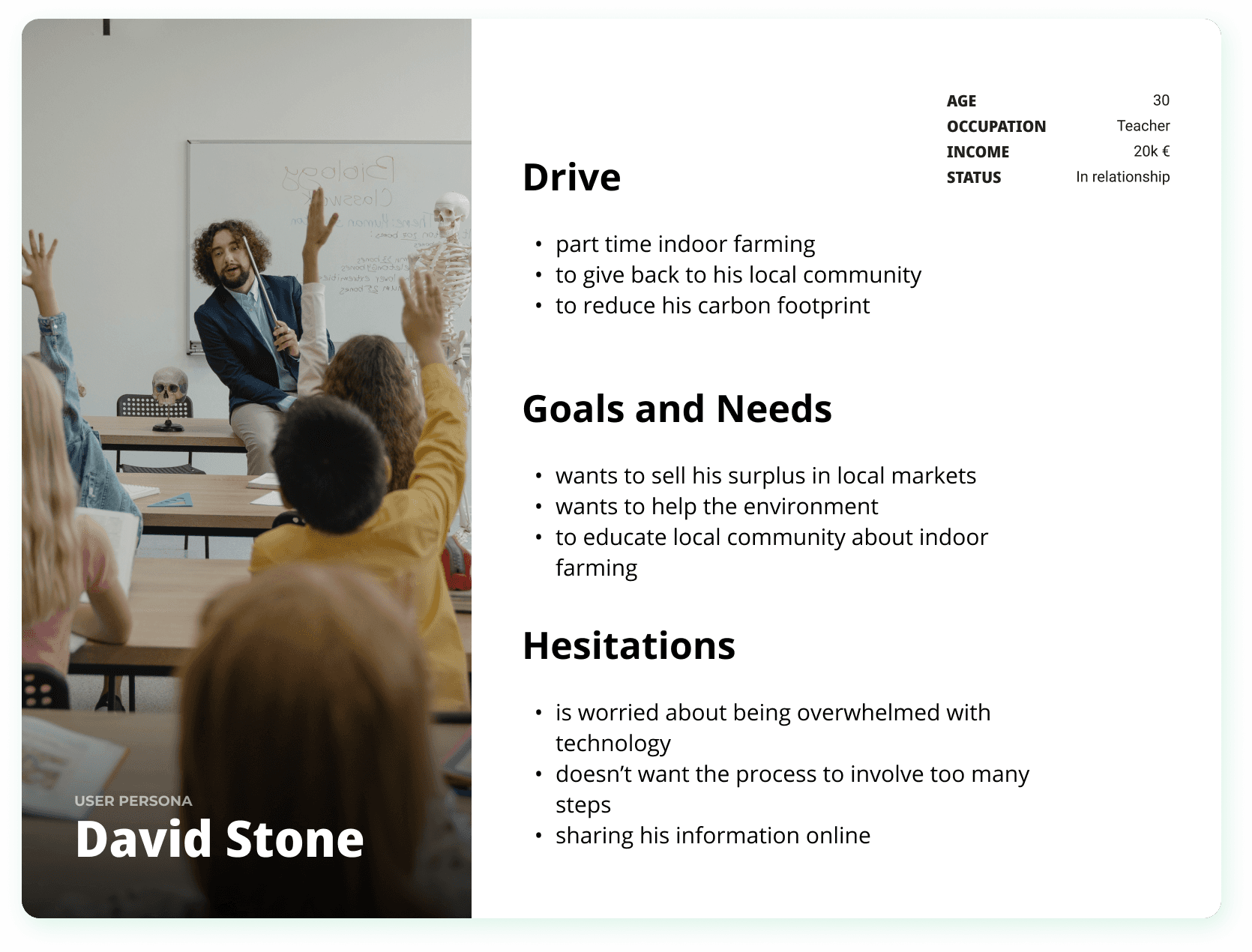
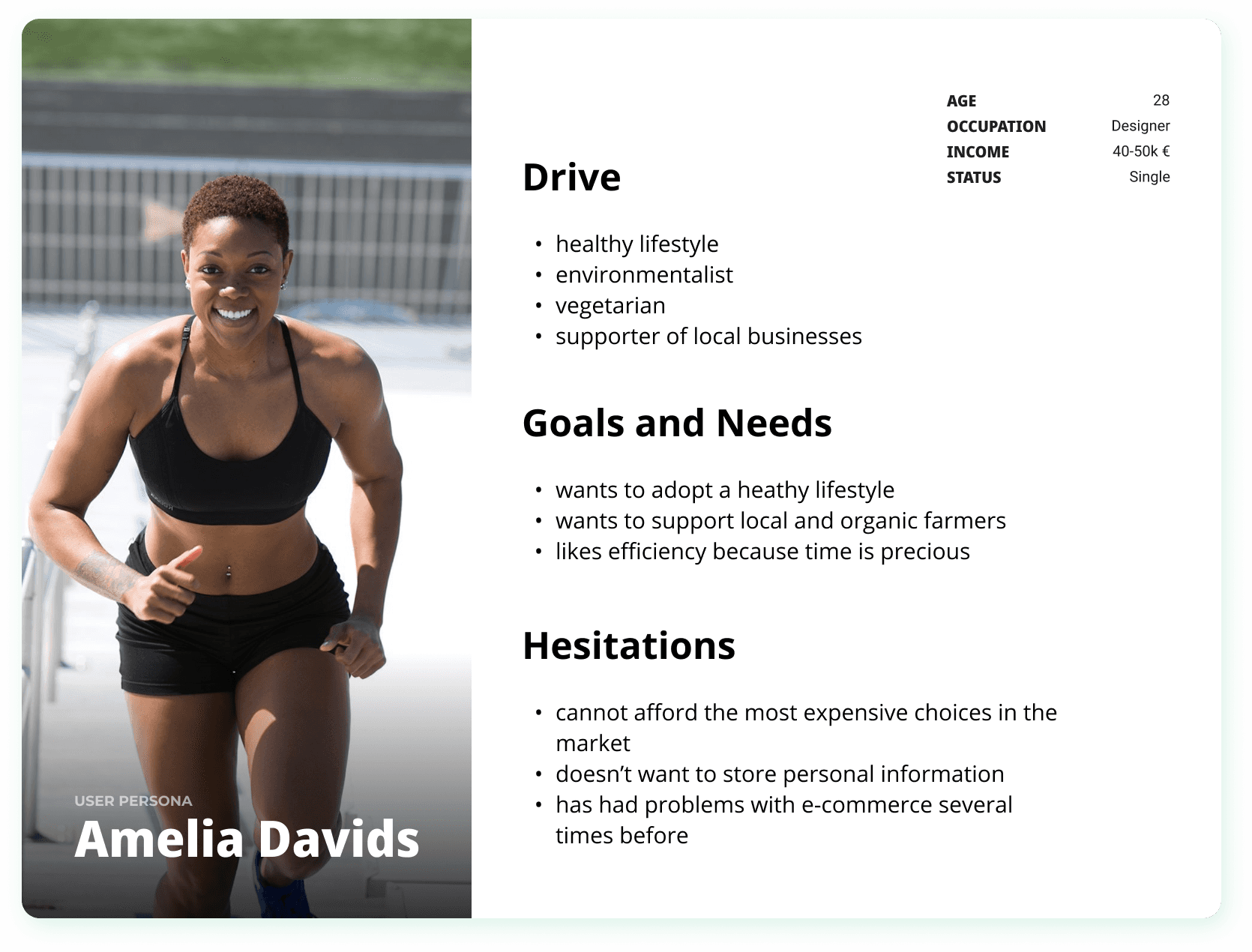
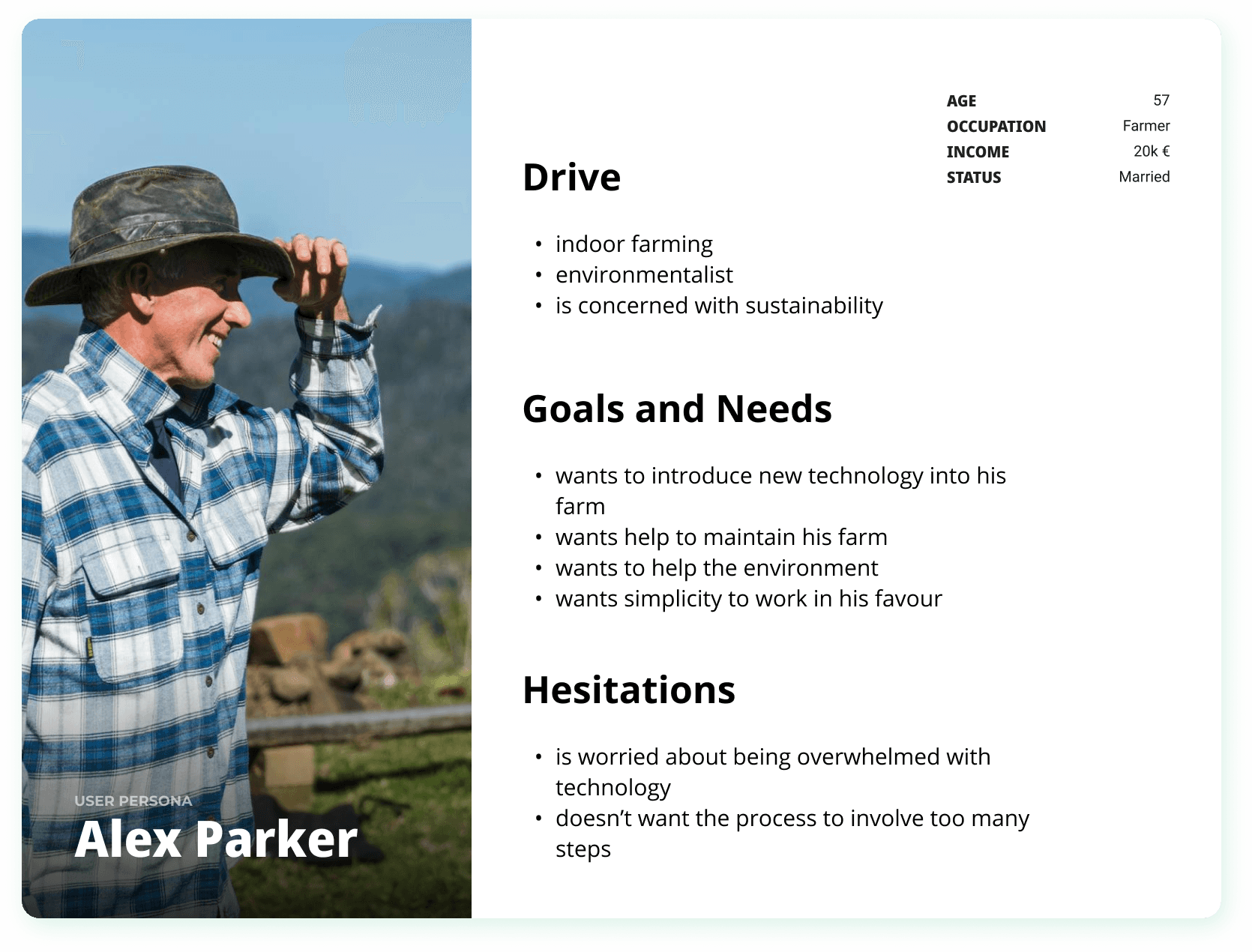
Persona
Ideate
Initial ideas
User flow
Wire frame
Design
Design System
High-fidelity prototype
The Problem:
As environmental awareness grows, so does the recognition of the harmful effects of corporate farming on our planet. Commercial agriculture often contributes to deforestation, requires large land investments, and relies heavily on harmful chemicals like pesticides and fertilizers. These methods damage ecosystems and are inaccessible to smaller growers due to high costs. Furthermore, the transportation of goods over long distances consumes vast amounts of natural resources, inflating prices and increasing the carbon footprint.
The solution:
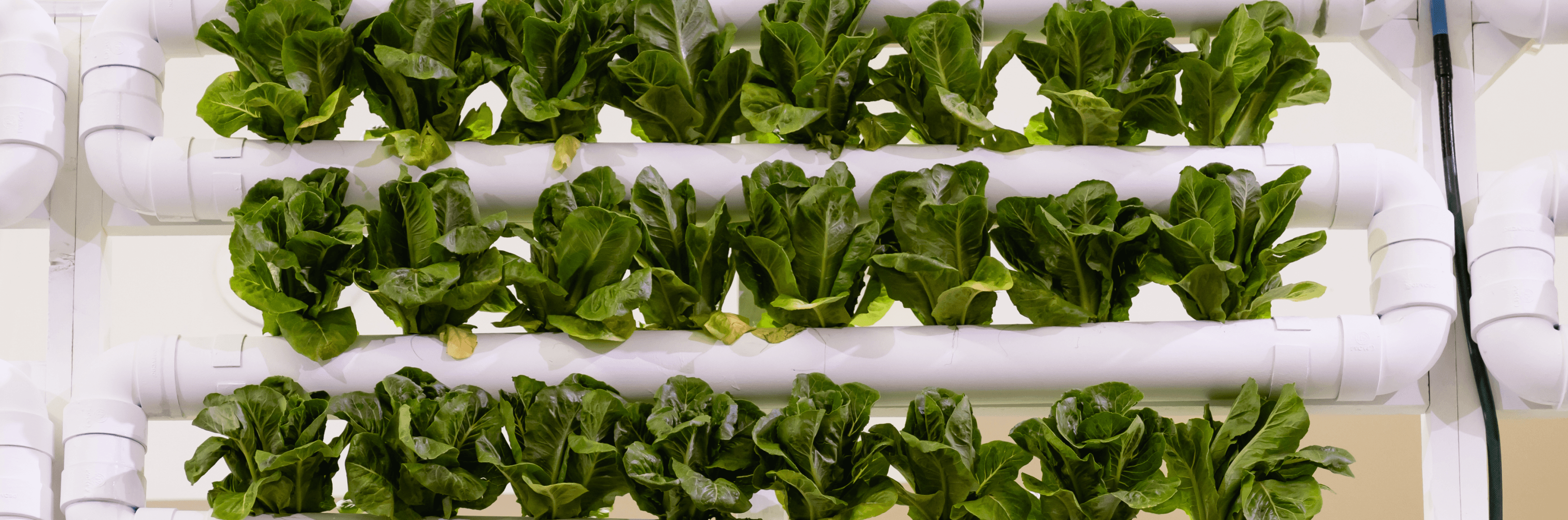
Go Hydro addresses these issues by offering a greener alternative. Hydroponic farming is significantly more eco-friendly than traditional methods. It uses 50% less land and consumes just 10% of the water required for conventional farming, all while reducing the need for fertilizers and pesticides. This makes it a healthier option for both people and the environment. Plus, hydroponics enables year-round cultivation, free from the constraints of seasonal farming.
Our platform not only simplifies the process of managing a hydroponic system but also supports local economies. By connecting growers with local buyers, Go Hydro cuts down on the environmental and financial costs of transportation, making it easier for consumers to access fresh, affordable, and locally-grown produce.
The Discovery:
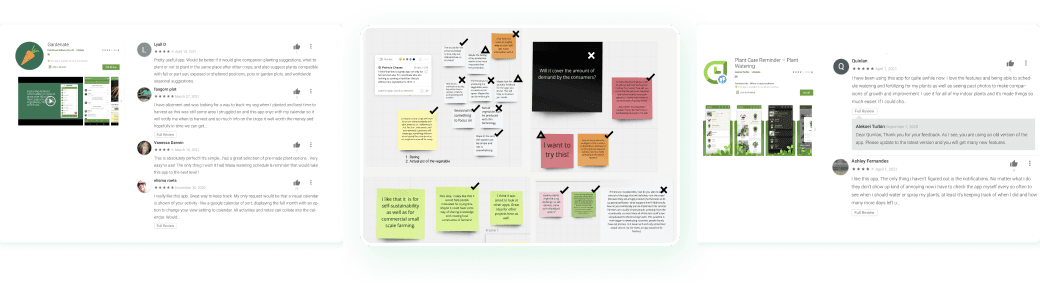
The discovery phase involved several stages of research, where the goal was to understand how individuals perceive hydroponic systems, their barriers to entry, and the potential appeal of the local produce markets to better inform the design of Go Hydro.
For this we employed a combination of user interviews and competitor analysis to gather insights on user preferences, challenges, and existing solutions in hydroponics and local produce trading.
Research revealed that potential users are interested in hydroponics but find the setup process daunting, lack adequate knowledge, and need a streamlined way to trade their produce locally.
Hydroponics system complexity
pain point 1
Difficulties connecting with local markets
pain point 3
Lack of clear guidance for maintenance
pain point 2

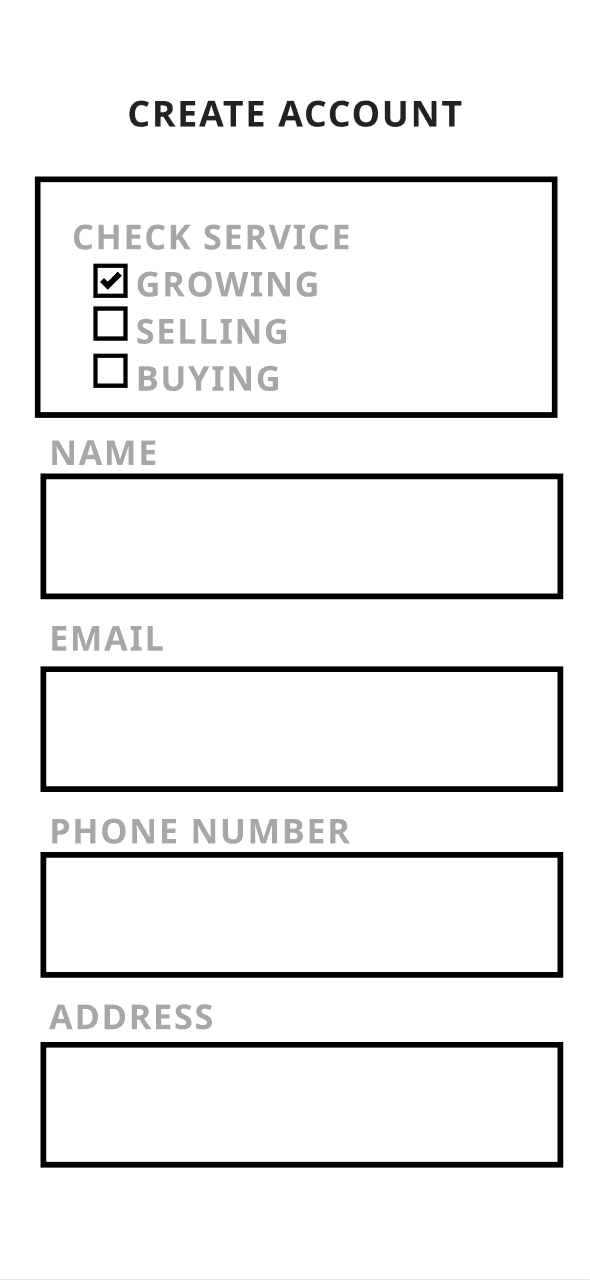
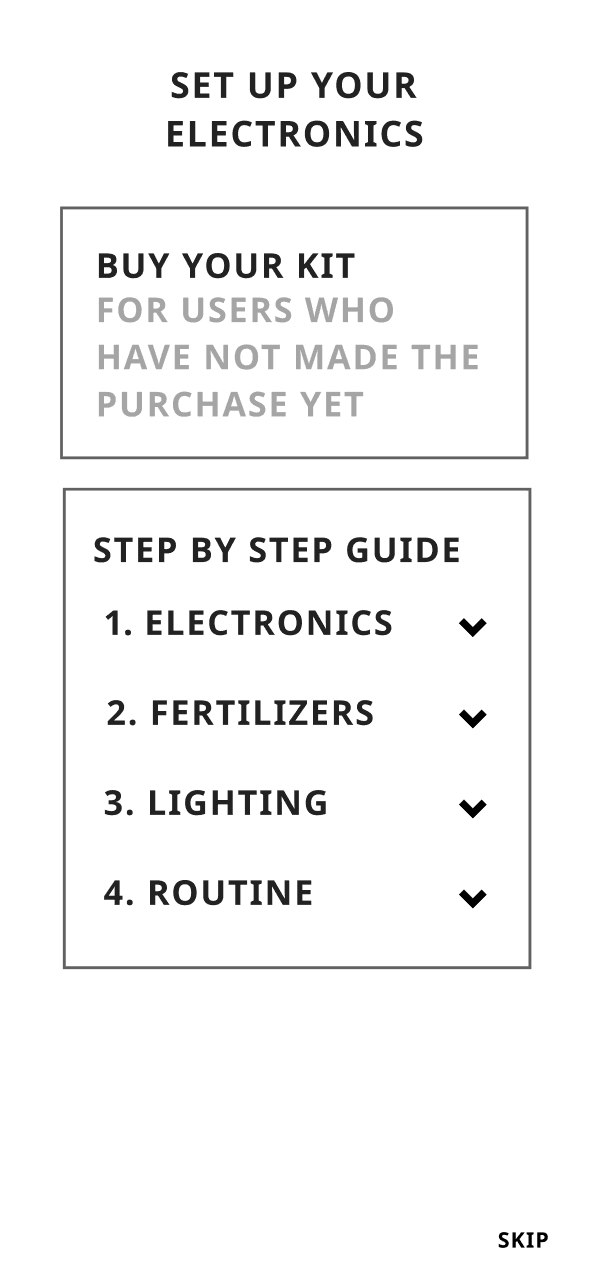
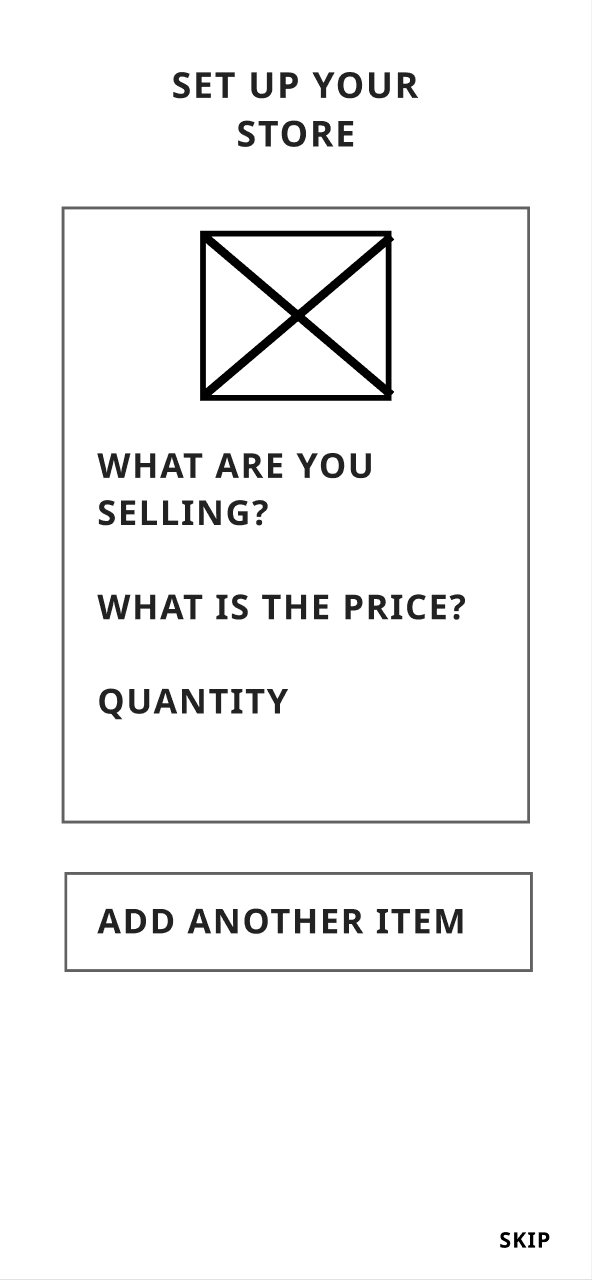
wireframes